Border closure over Ebola fears leads to significant losses for traders
<p>Leah Masika was on the verge of tears as she thought of her valuable consignment of plantain stuck in a long convoy of trucks on both sides of the Uganda-Congo border. Her cargo, destined for Uganda, was starting to leak water, and would go bad within hours if there was no movement.</p>
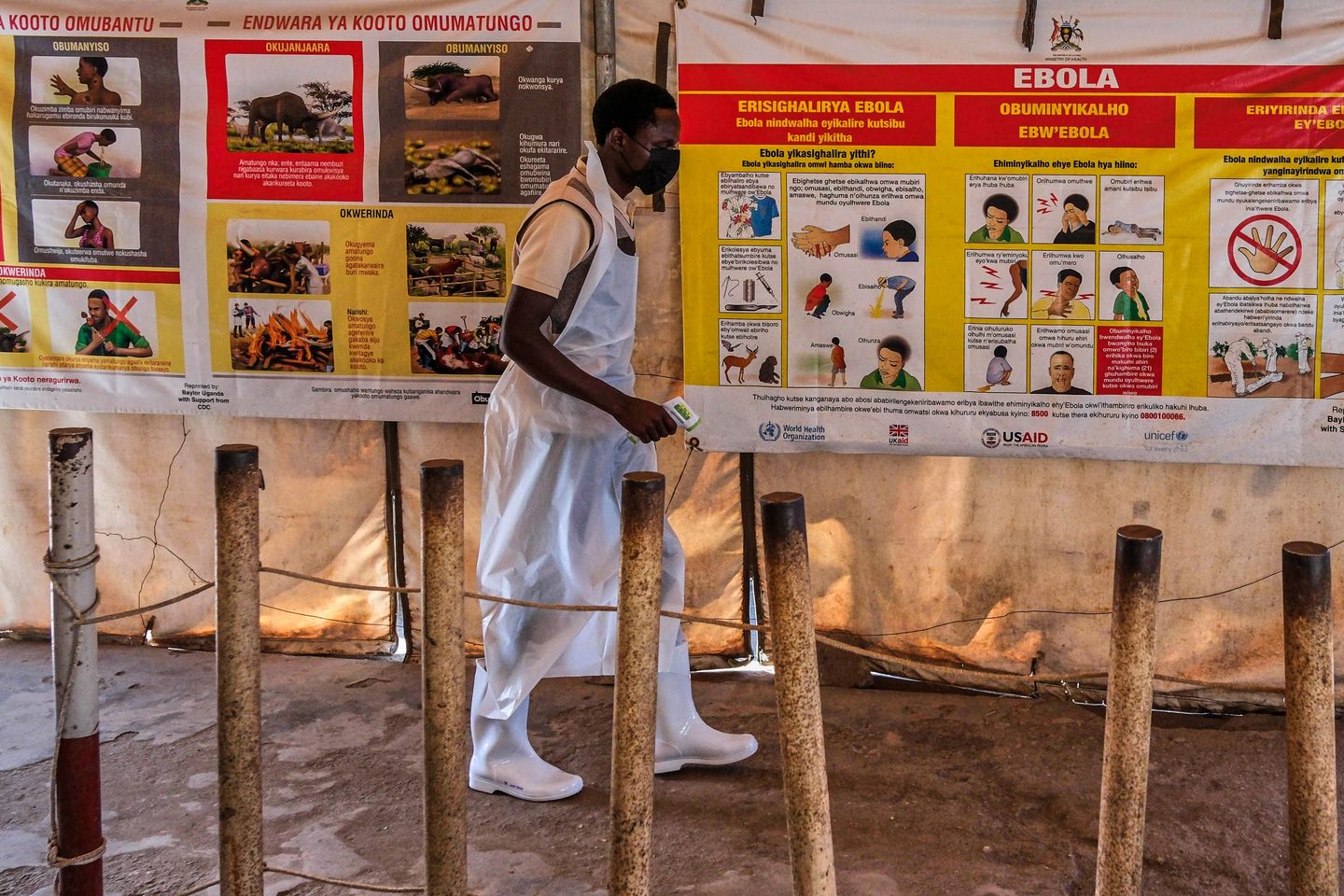
The recent closure of the Uganda-Congo border due to fears of Ebola contagion has left traders facing significant losses as valuable goods remain stranded. The border closure has led to a backlog of trucks carrying goods, like Leah Masika's plantain, potentially spoiling before reaching their destinations.
Authorities in Uganda made the decision to close the border as a precautionary measure to prevent the spread of Ebola, which has been a growing concern in the region. Traders, already grappling with logistical challenges, now find themselves in a dire situation as their perishable goods are at risk of becoming unsellable.
The closure of the border has also disrupted supply chains and trade activities between Uganda and Congo, impacting the livelihoods of many traders who rely on cross-border commerce. The uncertainty surrounding when the border will reopen further compounds the financial losses faced by traders.
As the situation continues to unfold, traders are calling for swift action to address the border closure and mitigate the economic impact on their businesses. The plight of individuals like Leah Masika serves as a poignant reminder of the toll that public health concerns can take on the livelihoods of those involved in trade across borders.