Cuba's Economic Landscape Transformed by Major Free-Market Reforms
Observers are heralding a significant shift in Cuba's economic policies as the island nation embarks on its most extensive free-market reforms since the revolution. The grandson of former President Raul Castro emphasized the need for Cuba to advance its economy in a recent interview.
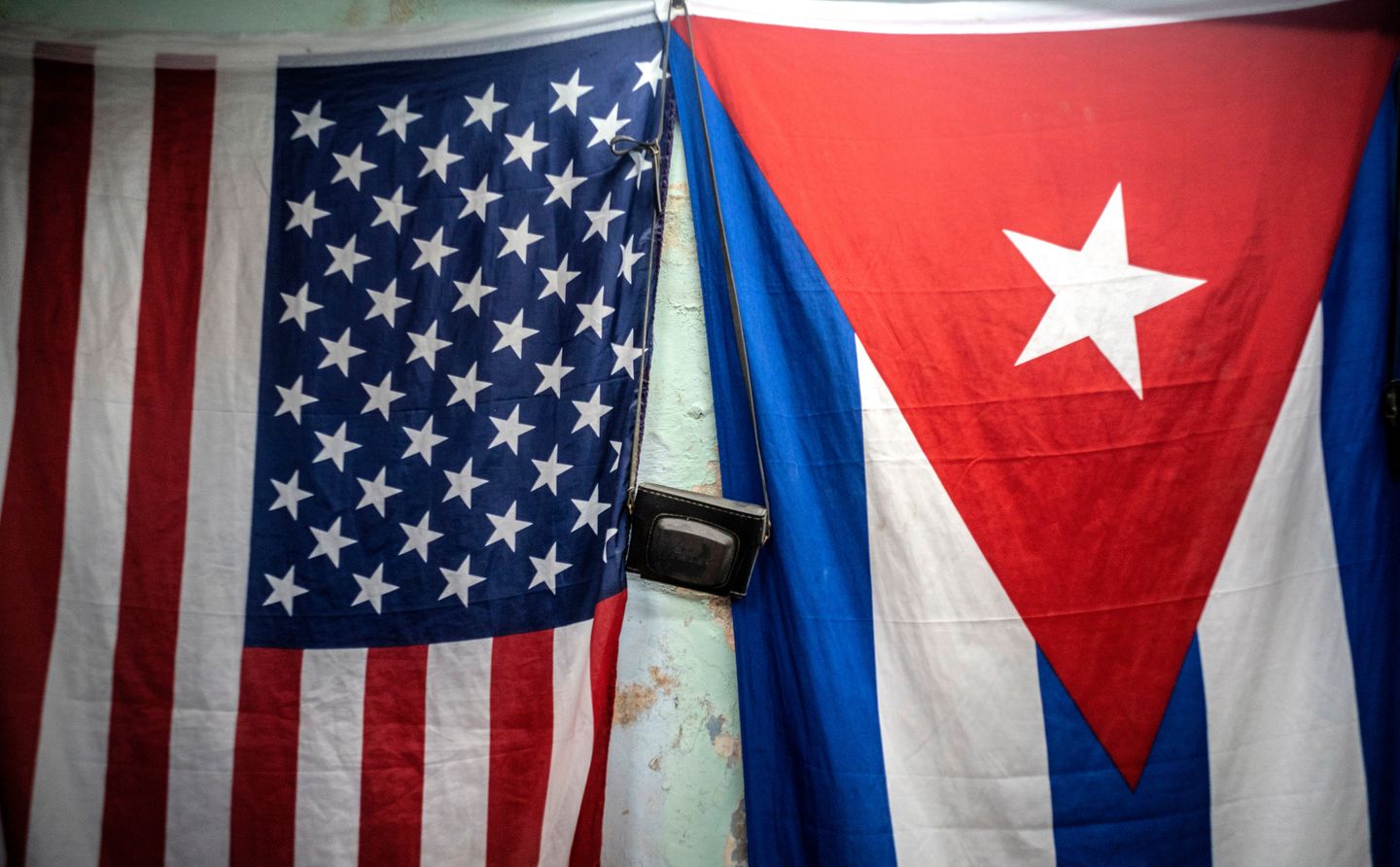
Amidst growing global pressures and internal calls for change, Cuba is undergoing a monumental economic transformation with the implementation of sweeping free-market reforms. The island nation, long synonymous with state-controlled industries and centralized economic planning, is now charting a new course towards liberalization and market-oriented policies.
The latest reforms, described as the most comprehensive since the Cuban revolution, mark a significant departure from the country's socialist principles. Key changes include opening up sectors once reserved for the state to private enterprise, allowing for greater foreign investment, and streamlining bureaucratic processes to facilitate business growth.
Observers note that these reforms are poised to reshape Cuba's economic landscape and potentially attract new opportunities for growth and development. The country's leadership has underscored the importance of modernizing the economy while preserving social welfare programs and ensuring a fair distribution of wealth.
As Cuba navigates this historic economic shift, the global community will be closely watching to assess the impact of these reforms on the country's future trajectory and its people's livelihoods.