U.S. Shifts Towards Cold War Balance of Power Security Strategy in Asia
The U.S. will implement a strategic shift to prevent China's dominance in the Indo-Pacific region by bolstering military strength and garnering support from regional allies, as outlined by Defense Secretary Pete Hegseth in a significant address.
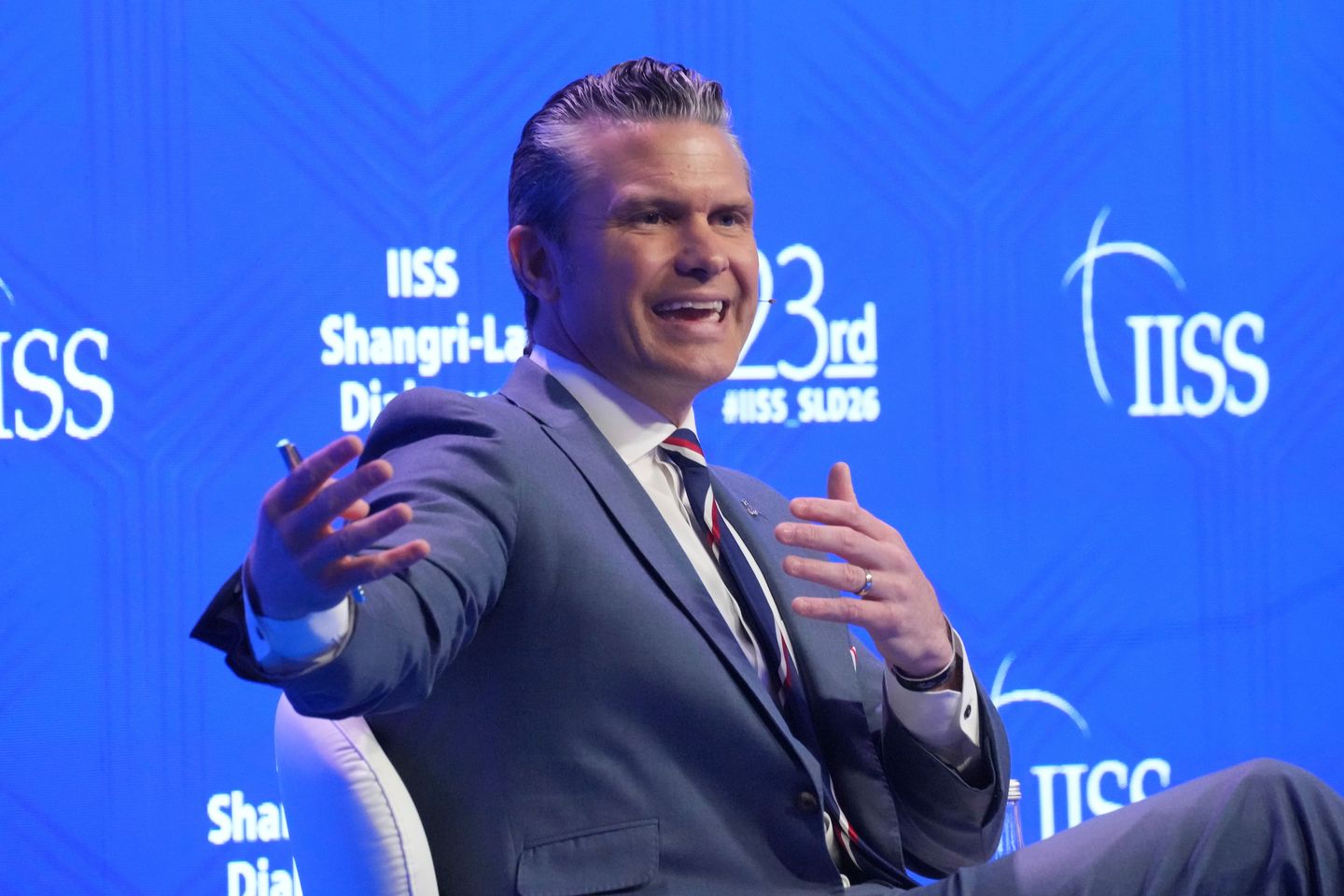
The U.S. is recalibrating its security approach in Asia to counter China's growing influence in the region, Defense Secretary Pete Hegseth emphasized. The strategic shift aims to maintain a balance of power reminiscent of the Cold War era, focusing on enhancing military capabilities and fostering stronger alliances with neighboring countries.
Hegseth highlighted the importance of a less confrontational rhetoric while advocating for a robust defense posture to safeguard American interests in the Indo-Pacific. This shift underscores the U.S.'s commitment to upholding stability and deterring any attempts by China to assert dominance in the region.
The Defense Secretary's address marks a significant policy adjustment as the U.S. navigates complex geopolitical dynamics and strives to maintain a strategic advantage in Asia amidst evolving global challenges. By aligning with a Cold War-era balance of power security strategy, the U.S. signals a firm stance on protecting its interests while engaging with allies to uphold regional stability.