Iran's Unconventional Warfare Tactics: A Closer Look at Asymmetric Strategies
High-profile attacks on oil tankers in the Strait of Hormuz have epitomized Iran's hit-and-run response to superior American and Israeli firepower, but analysts warn that Tehran's asymmetric strategy isn't limited to guns, bombs or the physical geography of the battlefield.
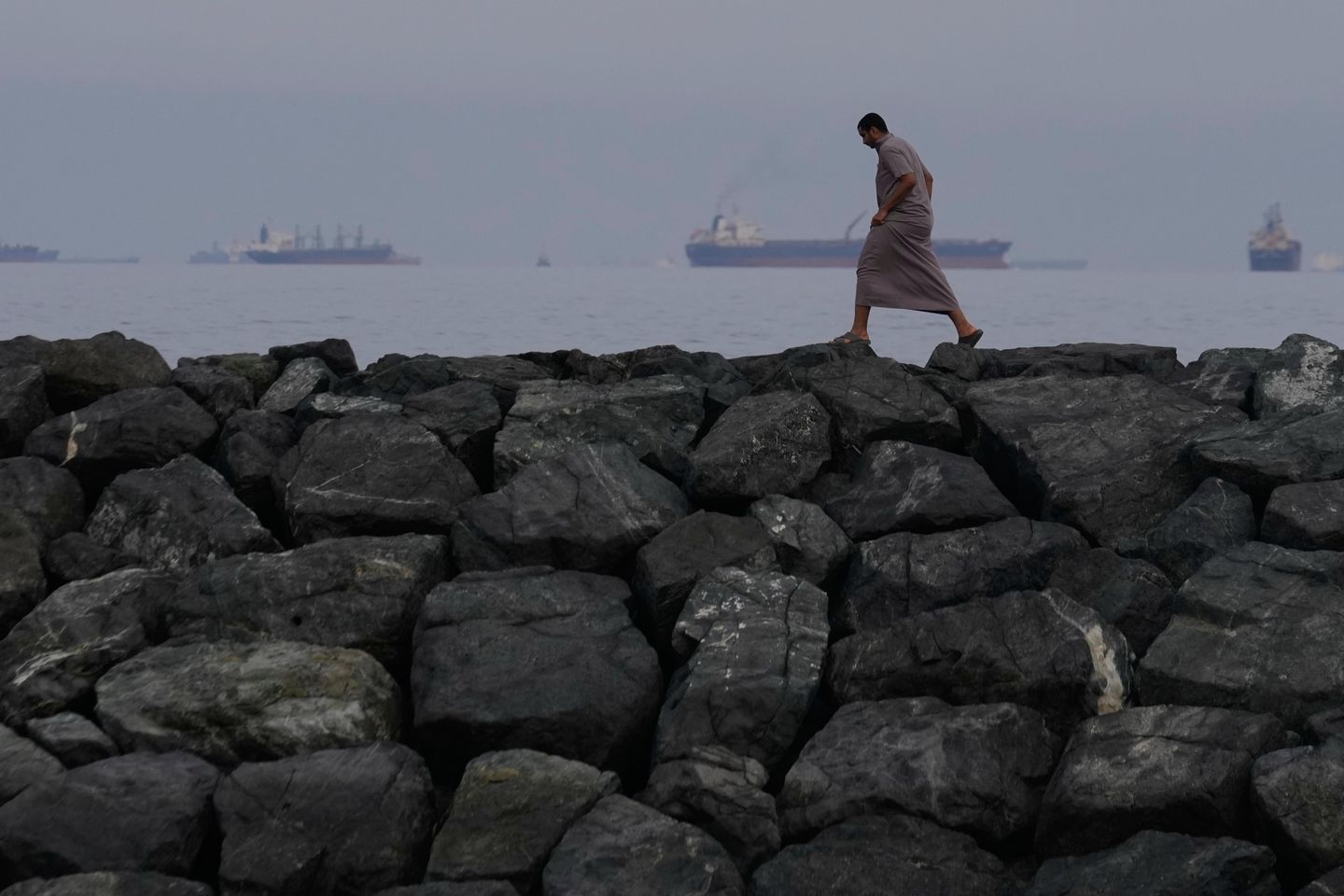
In recent years, Iran has gained notoriety for its unconventional asymmetric warfare tactics that pit cheap weapons against expensive ones. The country's strategic approach has been exemplified by high-profile attacks on oil tankers in the Strait of Hormuz, showcasing Tehran's ability to respond to superior American and Israeli firepower with hit-and-run maneuvers.
While the Strait of Hormuz attacks have drawn significant attention, analysts caution that Iran's asymmetric strategy extends beyond traditional military tools. The use of cyber warfare, proxy forces, and diplomatic maneuvers are also key components of Iran's approach to conflict, allowing the nation to exert influence and challenge more formidable opponents.
Iran's willingness to think outside the box and embrace asymmetric warfare has created a complex dynamic in the region, challenging conventional military doctrines and emphasizing the importance of adaptability and innovation in modern conflict.