Controversy Erupts as Puerto Rico Recognizes Fetus as Human Being
Puerto Rico's governor has stirred controversy by signing a bill that recognizes a fetus as a human being, a decision that has sparked concerns among doctors and legal experts about its implications for the U.S. Caribbean territory.
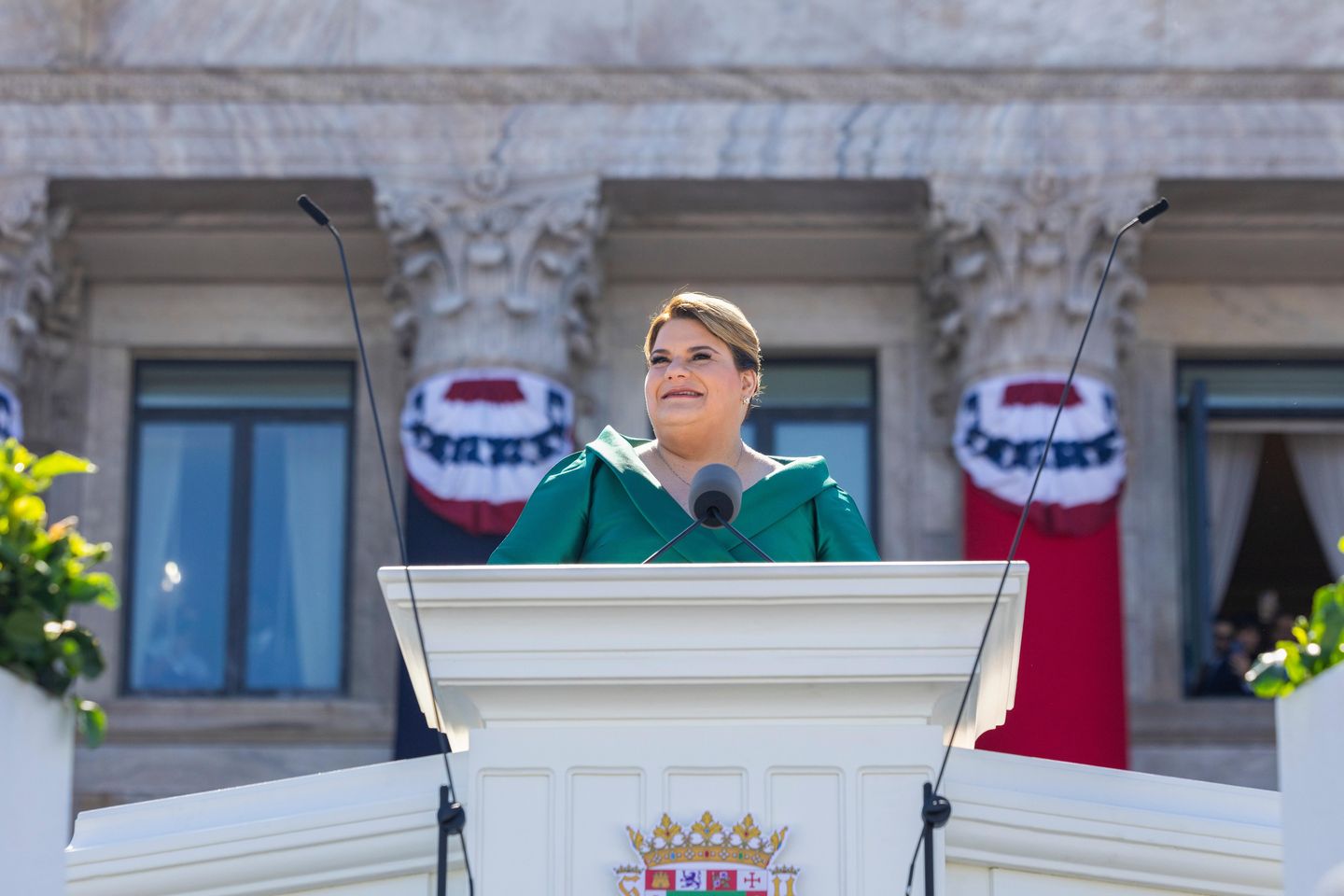
The recent enactment of a law in Puerto Rico that redefines the status of a fetus has ignited a heated debate among various stakeholders. On Thursday, the governor of Puerto Rico signed a bill that amends the existing law to legally recognize a fetus as a human being. This move has drawn both support and criticism, with doctors and legal experts warning of the potential profound consequences.
Those in favor of the new law argue that it aligns with their beliefs regarding the sanctity of life and marks a milestone in protecting the rights of the unborn. However, critics express concerns over the broader implications of this decision, particularly in terms of reproductive rights, access to healthcare, and legal precedents.
The debate surrounding the recognition of a fetus as a human being raises complex ethical, medical, and legal questions that warrant careful consideration and deliberation.
While the full extent of the impact of this legislation remains to be seen, it has undeniably sparked a contentious discussion across Puerto Rico and beyond. As the repercussions of this new law continue to unfold, stakeholders on all sides are closely monitoring the developments and preparing for potential legal challenges.